
A flower never chases a bee. It cannot move, so it does the one thing that works: it gives off a scent that tells the right bee there is something worth visiting.
Most accounting practices try the opposite. They chase: cold emails, price cuts, saying yes to any client who calls. It is like running round a garden with a net. You catch a few bees, but they rarely stay, and they never bring the hive.
The practices that grow without chasing work like flowers. Good clients find them, stay, and send others. This article looks at what makes that happen, and asks a simple question: what is your practice’s fragrance?
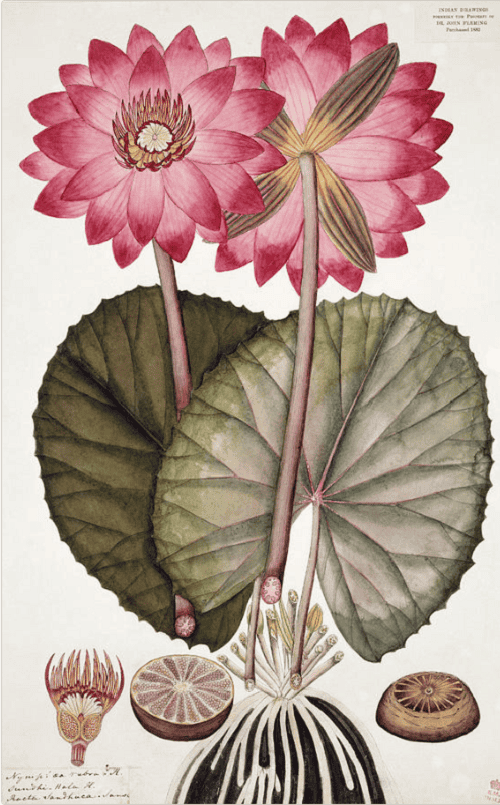
Why flowers have fragrance
Fragrance is a plant’s advertising. It cannot travel to its customers, so it sends a signal that travels for it. Five things about that signal matter for a practice.
- It is specific. Different flowers smell different to attract different visitors. Sweet daytime scents draw bees; heavy night scents, like jasmine, draw moths. No flower tries to attract every insect.
- It is honest. Scent promises nectar. A flower that smells sweet but offers nothing gets one visit, never a second.
- It comes with the bloom. A plant gives off scent when it is healthy and flowering. Under drought or stress it cuts back, and a dried flower smells of almost nothing.
- It costs energy. Making scent uses resources the plant could spend elsewhere. Healthy plants invest in it anyway, because it is how they grow the next generation.
- It spreads through the hive. A bee that finds a good flower goes home and performs the waggle dance, showing the other bees exactly where to fly. The best advertising a flower gets comes from bees it has already fed.
The dried flower
Many UK practices give off no scent at all. It is not because they are poor accountants; it is because the plant is under stress. The signs are familiar:
- No specific scent. The website offers “accounts, tax, payroll and VAT for businesses of all sizes”, like hundreds of others. To a dentist or a property investor, nothing on it says “this firm is for me”.
- The director is buried. The person who should be meeting prospects and speaking at events is preparing accounts at 9pm. A flower in drought cannot bloom.
- The garden is full of weeds. Low-fee clients who send records late, expect everything at once and question every invoice take the most energy and pay the least.
- Constant firefighting. Deadlines are met, but only just, and nothing is left to invest in growth.
The cruel part is that these feed each other. The more time the director spends on the wrong clients, the less time there is to attract the right ones.
Your fragrance, in four parts
A practice’s fragrance is whatever makes the right client think “this firm is for me” before anyone has called them. It has four parts, and each one matches the flower.
- A specific scent: your nicheChoose who you are for: healthcare professionals, landlords, construction firms under CIS, online sellers, charities. When your website, LinkedIn posts and talks speak their language, they recognise themselves. A GP reading about NHS pension allowances or partnership profit shares knows you understand their world. A generic message attracts generic clients, usually the ones choosing on price.
- Nectar: real value behind the promise
Scent earns the first visit; nectar earns the second. That means work delivered on time, no surprises, and advice that saves the client money or worry. In accounting, one avoidable mistake can undo years of goodwill, so your quality control is part of your fragrance even though the client never sees it. - The bloom: the director’s time and energy
Fragrance comes from a healthy plant in flower. In a practice, that is a director with time to think, write, network and look after the best clients personally. If every hour goes on preparation, the practice cannot bloom, however good it is. - The waggle dance: referrals
Your happiest clients are your best marketing. A doctor tells the other partners at the surgery; a landlord tells the others at the investors’ meeting. Make it easy for them: ask for the introduction, thank them for it, and stay visibly expert in their world.
Pruning: letting go of the clients who drain the plant
Gardeners know a plant grows stronger when you cut away what is draining it. For a practice, pruning usually means repricing.
List your clients by fee against the hours they really take. The ones at the bottom, who pay least and demand most, are often clients you took on when you were starting out and needed everyone. Raise their fees each year in line with the time they take. Some will pay, and the work becomes worth doing. Others will leave, and free capacity for the clients you actually want.
We have watched one UK director do exactly this. Each year he raised fees most on his most time-consuming clients, accepted that some would go, and put the time he saved into sales. A few years later he was winning clients many times larger than the ones he had let go.
It is a hard decision, because the clients you have are certain and the clients you want are only a hope. That is why pruning works best alongside a plan for attracting new clients, not instead of one.
Who waters the garden
A director can only bloom if someone else is doing the watering. In a practice, the watering is preparation: bookkeeping, year-end accounts, CT600s, VAT and self-assessment returns. It is essential and it must be right, but it is not where growth comes from.
Accounting work is familiar and comfortable, and it always fills the week. Attracting good clients is harder and less predictable, but it is the work that grows the practice. The directors who grow fastest treat client attraction as their main job, and build a team and process they trust for everything else.
That team can sit in your own office, or it can be a partner who prepares the work so it comes to you ready to review, not redo. That is what we do at QuickTeam. Whichever route you choose, the principle is the same: get the preparation off the director’s desk, so the director can get back to growing.
Five questions to find your fragrance
- Which of your current clients would you most like ten more of, and what do they have in common?
- If one of those clients read your website today, would they think “this firm is for me”?
- Which clients take the most time for the least fee, and what would happen if you repriced them?
- How many hours last week did you spend preparing work, rather than reviewing it or speaking to clients and prospects?
- When did a happy client last refer someone to you, and did you make it easy for them?
If the answers are uncomfortable, that is normal. Most practices are dried flowers for a season. The good news is that fragrance can be grown: choose your scent, protect the nectar, free the director to bloom, and let the bees do the talking.